
Research
We believe the current trajectory of AI is not predetermined and that creative communities should play a role in shaping their future. To that end, we are motivated to bring greater transparency to how AI affects creative communities and to use that common ground to help shape what comes next. We do that by conducting research on three interconnected questions: how AI is reshaping the conditions and power structures of creative work, how it's changing what it means to develop a creative identity and practice, and how legal frameworks can protect the rights of human creators without stifling what comes next. The following includes some of our more recent activities.
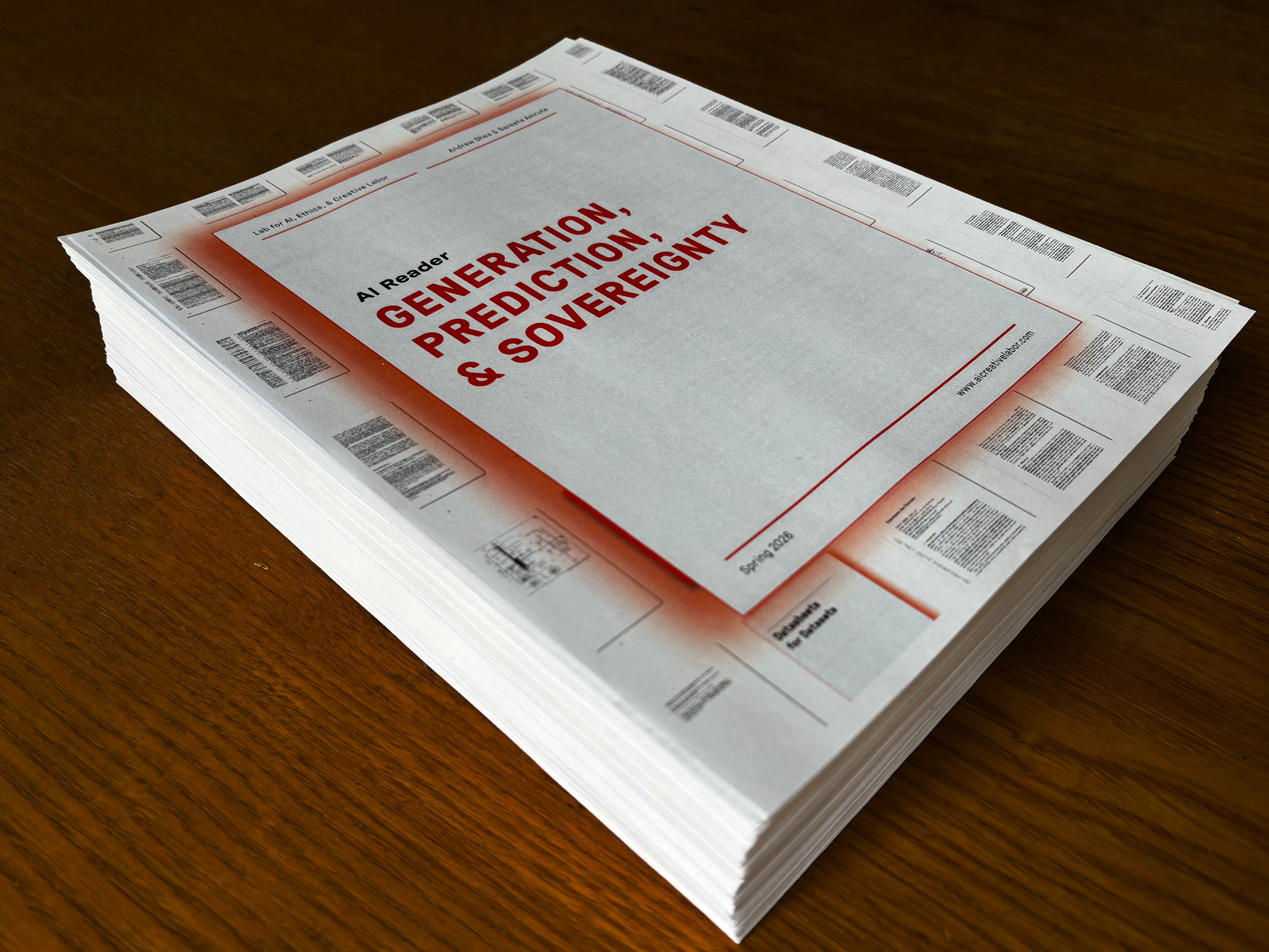
AI Reader
The Lab's curated collection of readings is organized around three interlinked themes that can support critical examination of technical, AI work.
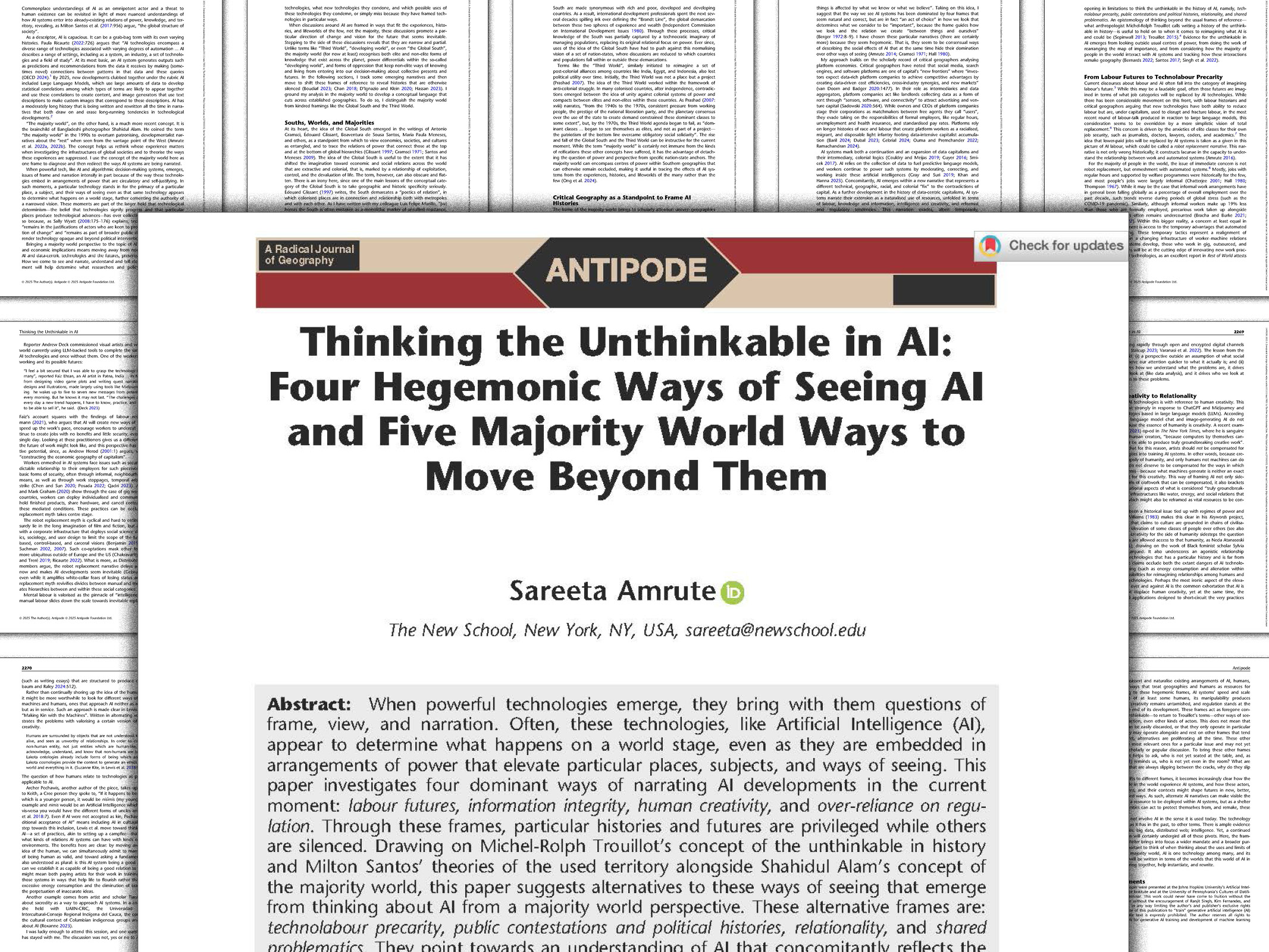
Thinking the Unthinkable in AI
In her paper, "Thinking the Unthinkable in AI: Four Hegemonic Ways of Seeing AI and Five Majority World Ways to Move Beyond Them," Sareeta Amrute, challenges dominant narratives of AI by examining how the majority of people worldwide actually experience it, moving beyond both utopian and apocalyptic frameworks to surface different problems worth solving.
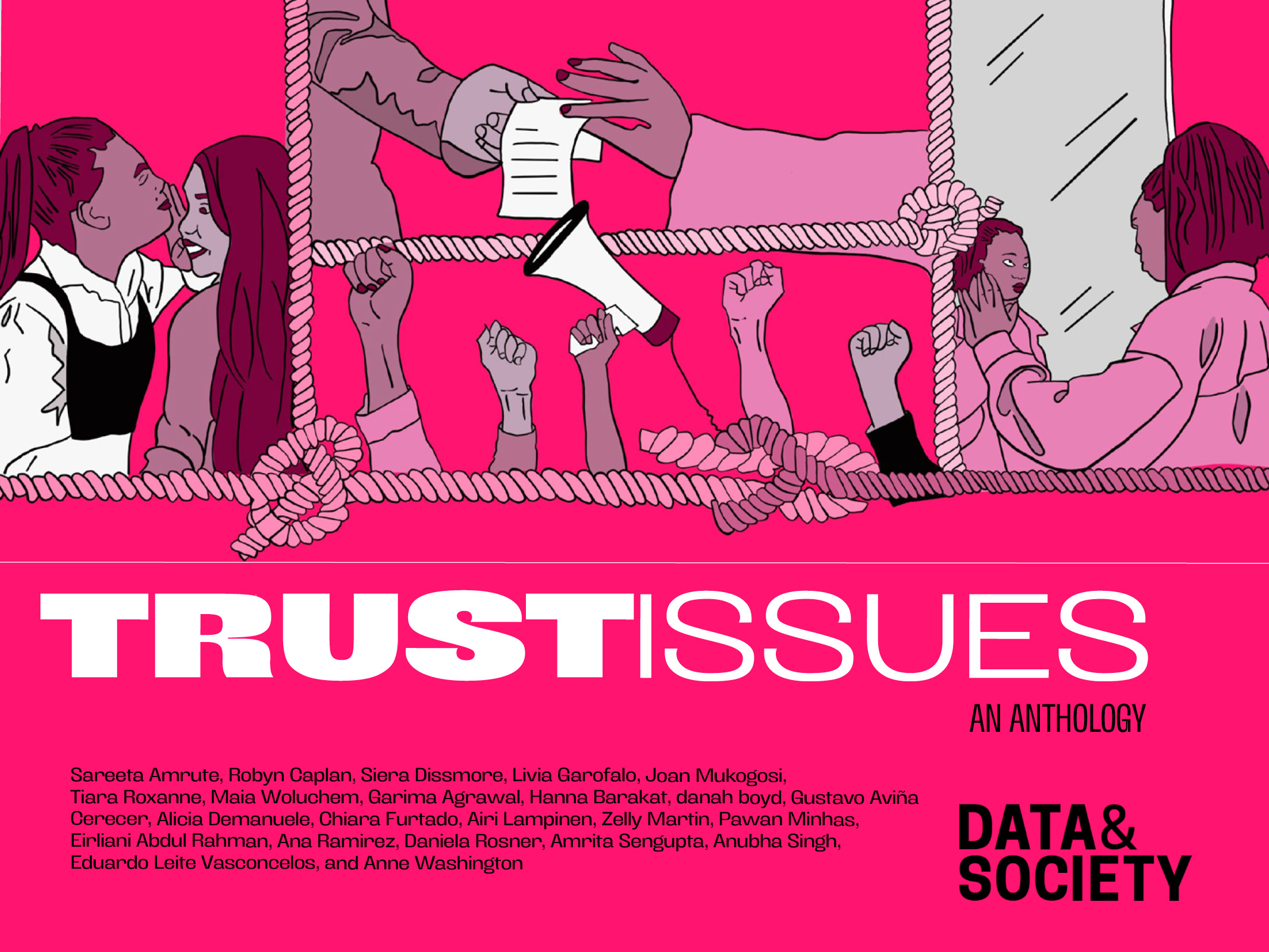
Trust Issues: An Anthology
Sareeta Amrute contributed as an editor to this collection of essays, published by Data & Society, that reframes the relationship between trust and technology, moving away from whether a technology is "trustworthy" toward understanding how trust is constructed, broken, and maintained in digital systems.
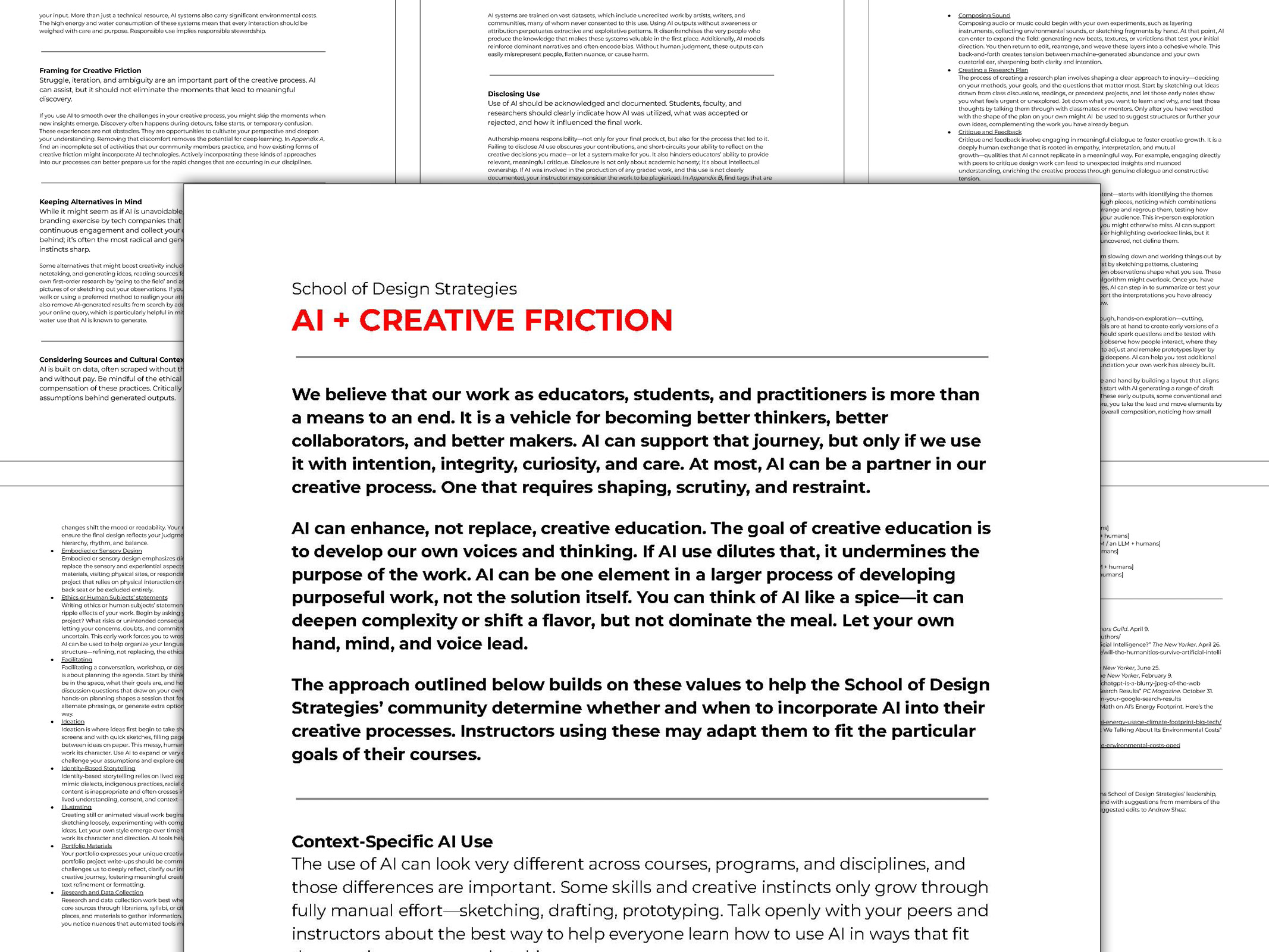
AI + Creative Friction
We authored this guide with Dean Jeongki Lim to support faculty adapt to the growing use of AI in their classroom. AI should enhance human work, and creative friction results from a deliberate mix of methods that aim to help us deepen our criticality, creativity, and growth. It supports treating AI like spice that adds depth but never dominates.
We investigate how AI transforms the conditions, politics, and value of creative work.
