
AI, Ethics, & Creative Labor
Creative work is everywhere. The object in your hand, the interface you swipe through, the chair you're sitting in. None of that is accidental. Someone made decisions. Someone asked what matters, for whom, and with what consequences. That kind of thinking doesn't disappear because automated tools get faster. Creative individuals should keep making, because making is thinking, and it's what we love to do.
But something is shifting. As AI makes generating output easier, the real leverage shifts to discernment. To the person who can frame a problem, read a room, and take responsibility for what happens after something goes out into the world. When anyone can produce ten polished variations in minutes, depth and care become more scarce. And scarcity creates value.
We started this lab because we heard from members of our creative community at The New School that they want a say in how the technologies that may have a significant impact on them get made and are deployed. Not as subjects of study, but as people with expertise, instincts, and a point of view that no model has yet learned to replicate. We think creative workers should play a part in that process.
Going beyond the application of rules or principles, we situate AI ethics within its political, social, affective, ecological, and economic dimensions. We approach ethics of AI from a plurality of perspectives, including traditions of self-formation and those that stress webs of social, ecological, and technical relations. We understand ethics as a world-building project that emerges from histories of domination that shape AI in the present and pushes past these frames to reimagine a relationship between AI and the flourishing of life.
Team
Our team draws on the history of design and the anthropology of technology to examine how AI is reshaping the conditions, practices, and politics of creative work.
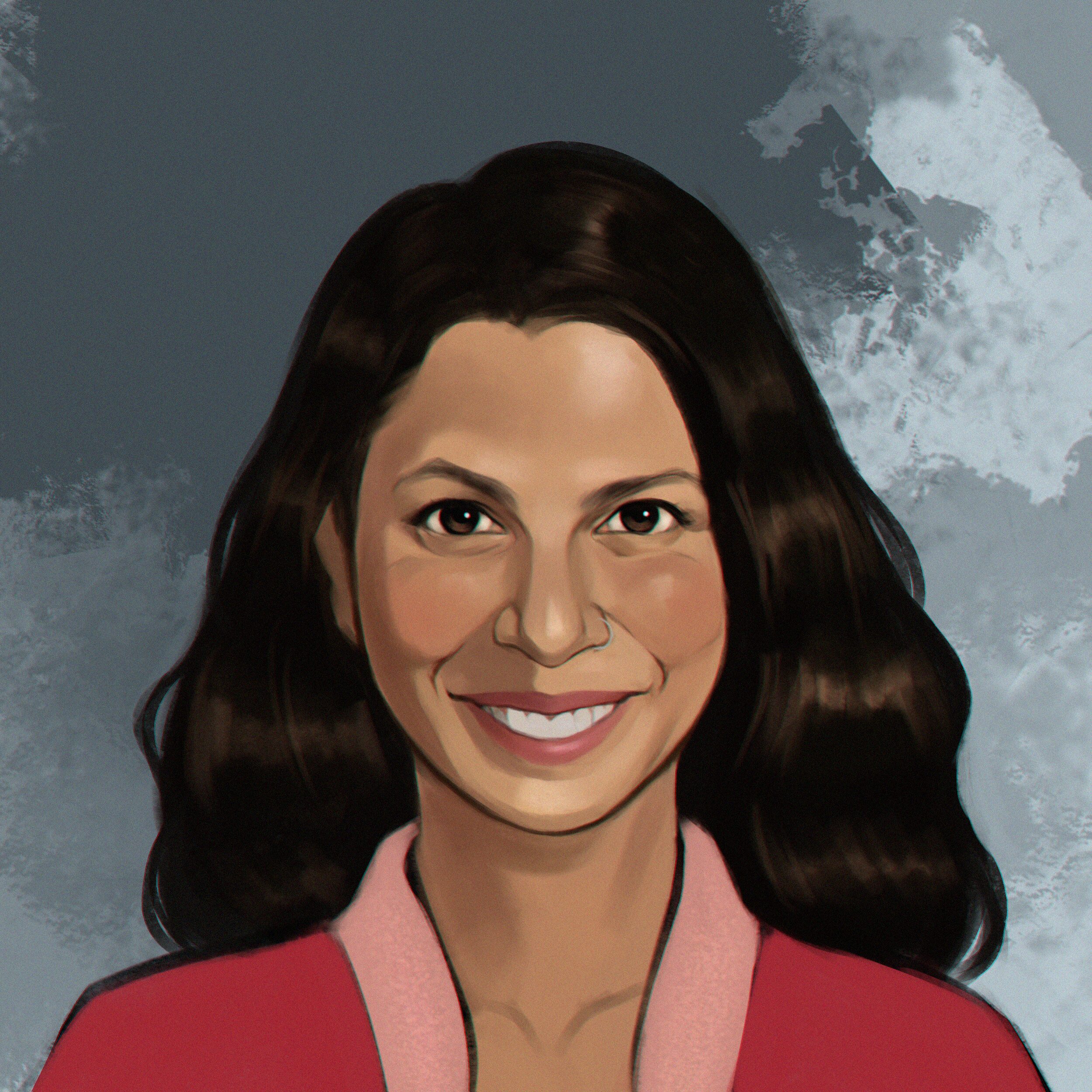
Sareeta Amrute, Co-Director
Sareeta is Associate Professor of Design and Anthropology at The New School. She takes a majority world approach to the study and development of AI, as evidenced by a recent publication in the radical geography journal Antipode, titled "Thinking the Unthinkable in AI: Four Hegemonic Ways of Seeing AI and Five Majority World Ways to Move Beyond Them". Her first book, Encoding Race Encoding Class: Indian IT Workers in Berlin, is the winner of the Diana Forsythe Prize in Anthropology and the International Convention of Asian Studies Book Prize.
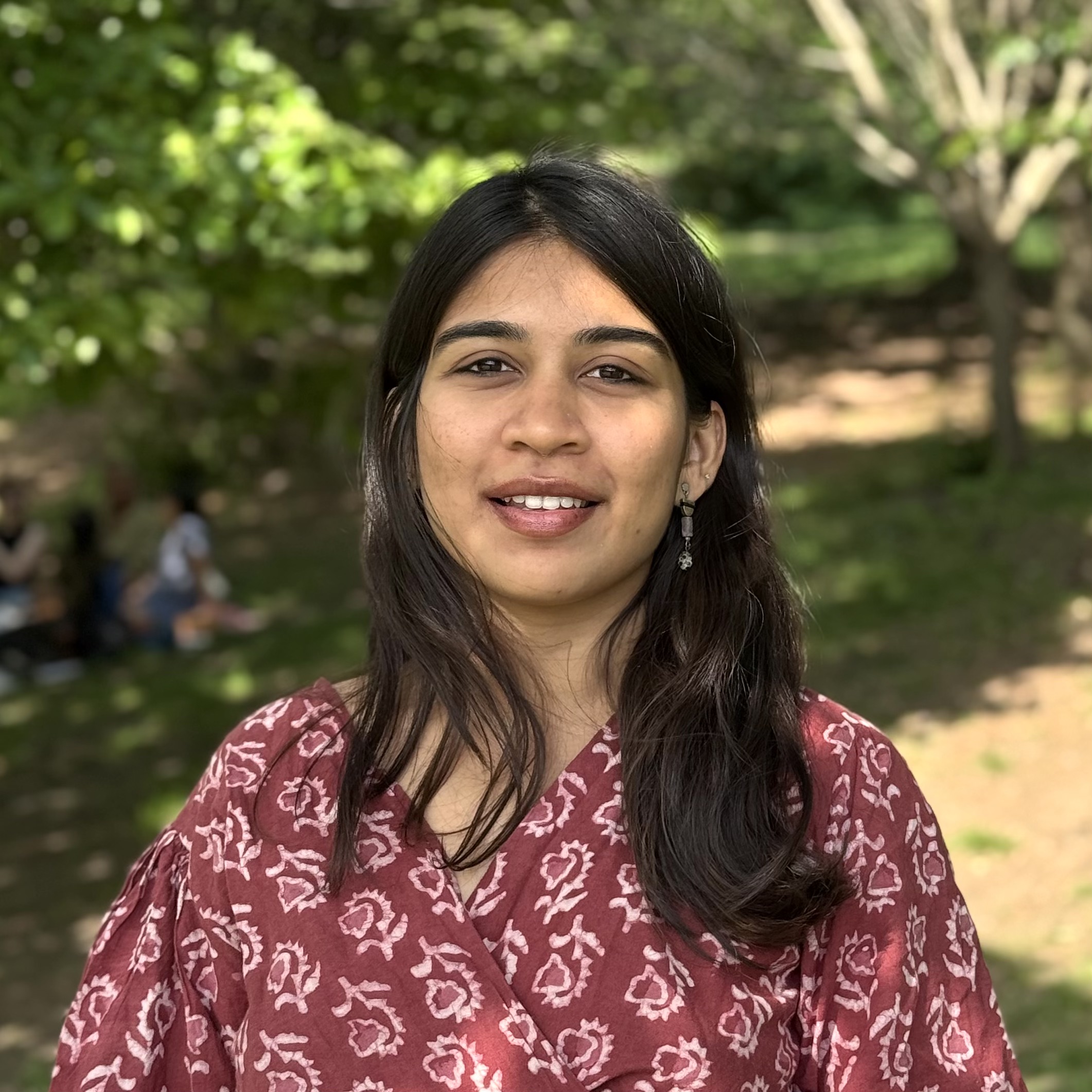
Aditi Dey, Researcher
Aditi Dey is a PhD candidate in the Politics Department at the New School for Social Research. Her research interests lie at the intersection of politics, technology and urban infrastructures. Trained as a historian and a political scientist, her work examines how technology has shaped cultures of work, production, and skilling. She is interested in thinking about what the histories of technology and work tell us about the future of work, especially in the world of AI.
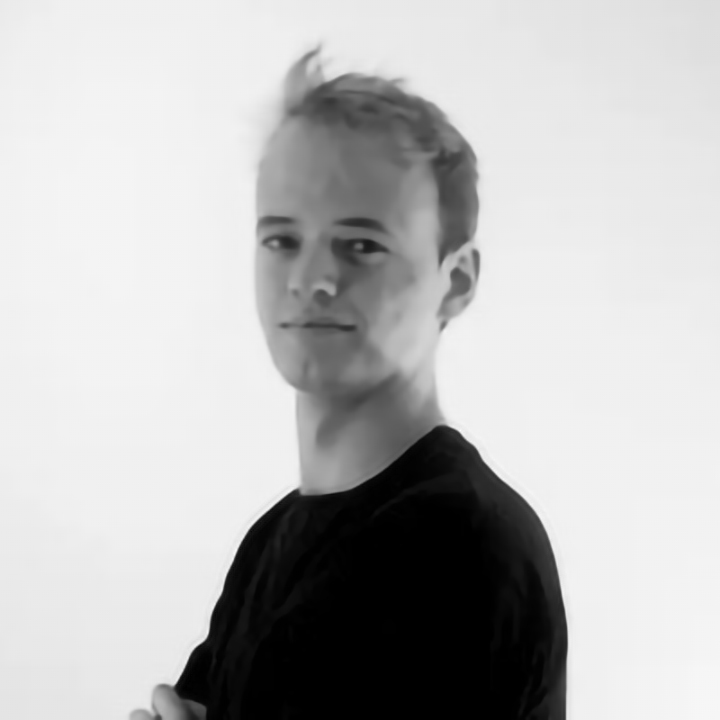
Henry Schroder, Researcher
Henry Schroder is a graduate student at the School of Design Strategies at The New School. Trained as a statistician, he worked at AI companies where he learned a technical understanding of how machine learning systems are built and deployed. His work focuses on how AI technologies are integrated into creative practice and how they reshape creative labor. He is particularly interested in how these tools influence how creative professionals understand their work, their authorship, and the meaning of creativity itself.
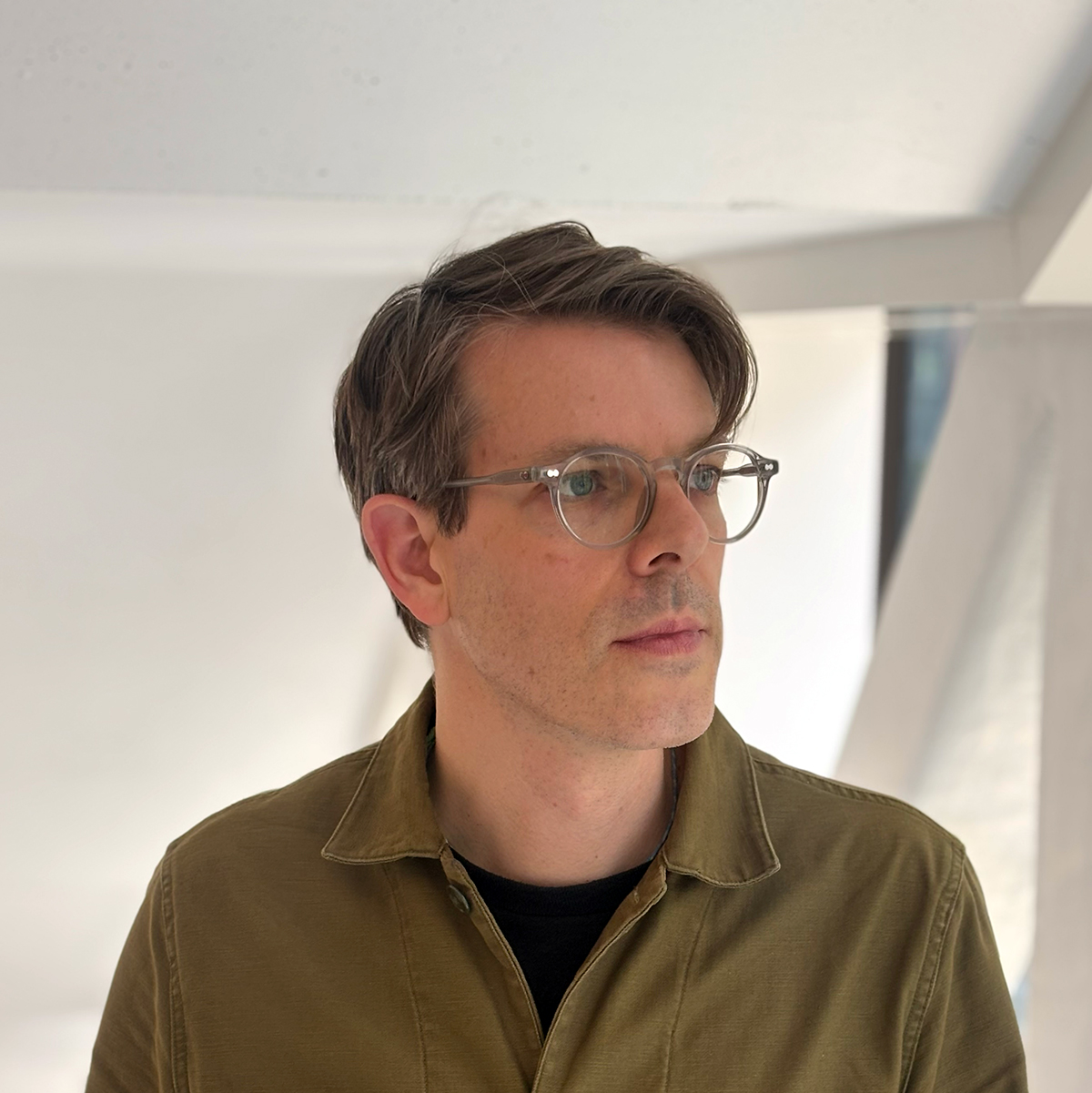
Andrew Shea, Co-Director
Andrew is Associate Professor of Integrated Design and Associate Dean of School of Design Strategies at The New School. His research focuses on design for social innovation and the role of artificial intelligence in that evolution. Andrew is the founding creative director of MANY Design, a studio that designs physical spaces, collaborative experiences, and platforms. His most recent co-edited book, Design for Social Innovation: Case Studies from Around the World, defines the global contours of the field.
Advisors
Zed Adams
Associate Professor of Philosophy, The New School; Vice President, Technology
David Bering-Porter
Assistant Professor of Culture and Media, The New School
Pantea Farvid
Associate Professor of Applied Psychology, The New School; Vice President, Democracy and Culture
Jeongki Lim
Associate Professor of Strategic Design and Management, The New School
Levy Lorenzo
Professor of Creative Technologies, The New School
Ayo Okunseinde
Associate Professor of Interaction and Media Design, The New School
Mimi Onuoha
Artist and educator; NYU Adjunct Faculty; Creative Capital & Fulbright grantee; Ford Foundation Fellow
Frank Pasquale
Professor of Law, Cornell Tech & Cornell Law School
Rachel Robbins
Executive Director, Tangible Minds
Rory Solomon
Assistant Professor of Code & Liberal Arts, The New School
Get Involved
The Lab for AI & Creative Labor is built on the belief that creative communities can shape the technologies that affect their work. There are many ways to get involved: take a course, propose a research collaboration, attend an event or symposium, join as a coalition partner, share your experience as a creative practitioner, or support the lab's work. We welcome engagement from students, faculty, creative professionals, and organizational partners.
Contact the Lab team by emailing sareeta@newschool.edu and andrewshea@newschool.edu
We investigate how AI transforms the conditions, politics, and value of creative work.
